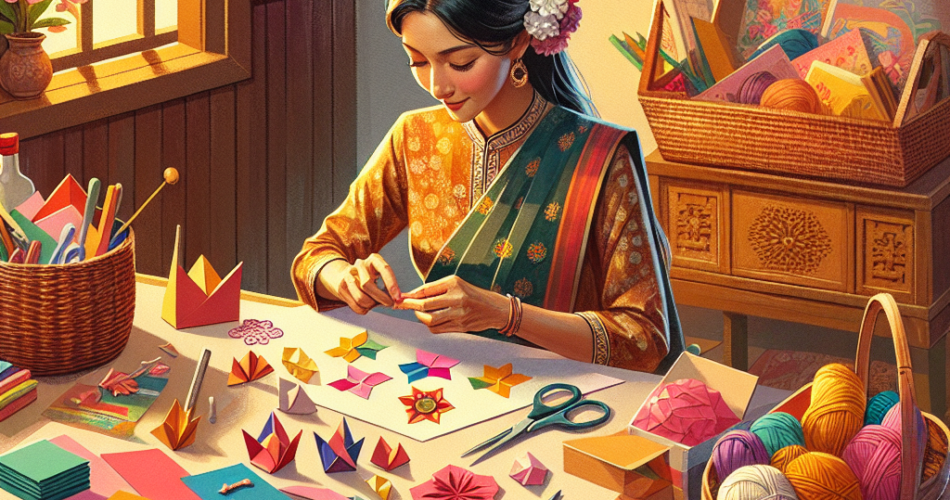
Crafts for Children from a Traditional Housewife
As a traditional housewife, have you ever found yourself pondering how to nurture your children’s creativity while creating deep, lasting bonds with them? In a world that often feels like it’s moving a mile a minute, many of us are seeking a path back to simplicity, to authenticity, and to meaningful family connections. Crafts might just be that golden thread weaving through your family time, providing both the joy of creation and the comfort of togetherness.
🎁 Free Gift 🎁 >> Force the Universe to Bring Wealth to You << The Law of Attraction goes hand in hand with traditional living. Alex Maxwell’s Best Selling Guide Free Yourself from the Limiting Beliefs and Start Attracting Abundance You Deserve (click)
Embracing crafts as a part of your household routine offers countless benefits. From developing fine motor skills to sparking imagination, there’s a world of creativity waiting for you and your children to explore together. But where do you start? How do you master the art of crafting as a traditional housewife with little ones looking up to you? Let’s dive into this delightful world and discover.
Understanding the Art of Crafting
Crafting with children is more than mere construction; it’s a dance of imagination and practicality. This ancient art of creating has been passed down through generations, bringing joy and fostering skills that are invaluable in every walk of life. But how does one begin if the art box seems overwhelming?
Start simple. Consider what materials you have on hand. Paper, scissors, glue, and crayons can be the initial gateway to a craft-filled adventure. Are there old socks? They can become puppets. Are you surrounded by nature? Leaves and twigs can transform into magical creatures or lovely autumnal displays.
As you delve deeper, you may wish to explore the wealth of instructional books and online resources available to guide you. Visual steps and patient guidance can transform even the most hesitant beginner into a crafting confidante. What matters most is the joy and curiosity you bring to each project.
Mastering the Crafting Experience
Mastering crafts with children doesn’t require perfection; it requires presence. Are you ready to embrace the mess, laugh at the mishaps, and celebrate the successes? Rather than seeing crafts as a task, view them as a journey.
Set aside dedicated time each week for crafting. This ritualistic approach not only builds anticipation and excitement but also shows your children the loving commitment you have to their development and happiness. Consider establishing a crafting corner in your home where tools and materials are readily available, inviting spontaneous creativity.
Engage with your children. Ask them what they wish to create, what stories they want to tell through their art. This exploration nurtures their imagination while developing their decision-making skills. Remember, it’s not about creating a masterpiece; it’s about nurturing creativity and connection.
🎁 Free Gift 🎁 >> Force the Universe to Bring Wealth to You << The Law of Attraction goes hand in hand with traditional living. Alex Maxwell’s Best Selling Guide Free Yourself from the Limiting Beliefs and Start Attracting Abundance You Deserve (click)
The Benefits of Crafting Together
Why should a traditional housewife invest time and energy into crafting with her children? The benefits span far and wide, touching on emotional, physical, and cognitive growth.
- Emotional Connection: Crafting allows for unique bonding moments, creating a language of love and support through shared activity and focus.
- Skill Development: Fine motor skills are honed through cutting, folding, and assembling. Cognitive skills are reinforced as children plan and execute their ideas.
- Creative Expression: Crafting offers a stage for children to express themselves freely, exploring color, shape, and ideas without judgment.
As a traditional housewife, crafting becomes a testament to your values of nurturing, creating, and providing a home filled with love and learning. It is a simple yet profound way to enrich your family’s daily life.
Examples of Crafts for Every Age
Wondering what crafts to undertake depending on your children’s ages? Here are a few ideas to spark your creativity:
- Toddlers: Simple projects such as finger painting, pasta necklaces, or sponge stamping encourage exploration and sensory engagement.
- Preschoolers: Try paper plate masks, homemade playdough, or simple sewing projects using plastic needles and yarn to encourage fine motor skills.
- Elementary Age: More complex ideas such as scrapbooking, building models with recycled materials, or creating storybooks can ignite the imagination.
Each craft is an opportunity to impart new skills, to share stories, and to create a tapestry of memories that will be cherished for years to come.
Why Crafting Complements the Life of a Tradwife
In the life of a traditional housewife, crafting is more than an activity; it’s an embodiment of the values you hold dear. It reflects the love, care, and attention you devote to nurturing a warm and welcoming home environment.
This commitment to creating and doing resonates deeply with your family’s values, showcasing a dedication to the art of homemaking. It reinforces the importance of presence and mindfulness, qualities that enrich your spiritual journey and fulfillment.
Crafting offers you, as a tradwife, a chance to cultivate patience and creativity, to foster an environment where children feel secure in expressing themselves, and to demonstrate the art of living in the present moment.
Conclusion: Crafting Your Own Journey
As you stand at the crossroads of creativity and traditional values, crafting with your children offers a path filled with joy, discovery, and connection. It invites you to step into a world where simplicity meets ingenuity and where every handcrafted project becomes a symbol of love.
Are you ready to embrace this journey? To see not only the joy in your children’s eyes but also the reflection of your own values in every piece of art created together? Crafting is more than a pastime; it’s a legacy you create and share with those you love. Let the universe guide your hands and heart as you embark on this beautiful adventure.