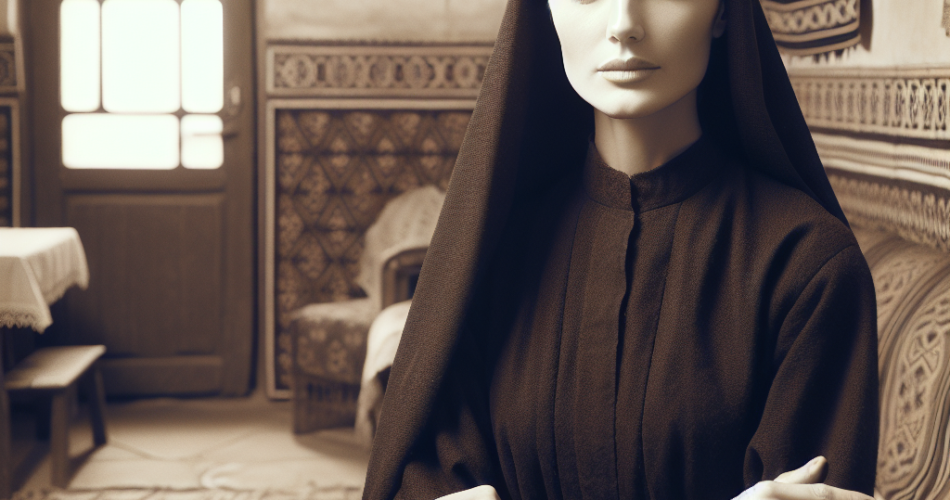
Introduction to the Traditional Wife: Widow
In the heart of the modern world, the concept of the traditional wife, or “tradwife,” emerges as a beacon for those seeking a simpler, more grounded lifestyle. Among the various paths a tradwife might traverse, the journey of a traditional wife: widow holds a unique place. This often misunderstood path carries with it lessons of strength, resilience, and rediscovery. Have you ever wondered how a widow can embrace her role with grace and dignity while honoring the past and building a new future? Let’s explore this journey together.
🎁 Free Gift 🎁 >> Force the Universe to Bring Wealth to You << The Law of Attraction goes hand in hand with traditional living. Alex Maxwell’s Best Selling Guide Free Yourself from the Limiting Beliefs and Start Attracting Abundance You Deserve (click)
The role of a widow within the traditional wife framework isn’t just about moving on; it’s about finding a new rhythm that respects the past while creating a new space for oneself and loved ones. It begins with understanding one’s own needs and the willingness to adapt and grow. Through this exploration, we find wisdom and strength that can deeply enrich our lives as tradwives.
Mastering the Role of a Traditional Wife: Widow
Embracing the Role with Grace and Understanding
Mastering the role of a traditional wife who has become a widow involves acknowledging and honoring the emotional journey. It’s not about forgetting the past but weaving those memories into the tapestry of a new life. How can one embrace being a widow while still fulfilling the responsibilities of a tradwife? It starts with self-awareness and a gentle acceptance of one’s feelings.
Self-care becomes paramount in this journey. Embrace practices that soothe your spirit and provide solace. Meditation, spending time in nature, and connecting with like-minded individuals can offer support and understanding. Remember, this is an opportunity to redefine your purpose and adapt your home life to meet new needs. How does your day-to-day routine reflect your current phase in life? Consider integrating rituals that bring peace and stability.
Building a Supportive Community
Community plays an invaluable role in mastering this transition. Connecting with other tradwives who share similar experiences can provide emotional support and practical advice. Seek out local groups or online communities where you can share stories, seek advice, and build new friendships. Are there any groups or forums that resonate with you? Consider joining those that align with your values.
Additionally, don’t hesitate to lean on family and friends. They can offer help and companionship as you navigate this new chapter. It’s crucial to remember that seeking support isn’t a sign of weakness; it’s a testament to your strength in reaching out and connecting with others.
The Benefits of Embracing the Traditional Wife: Widow Path
Rediscovering Yourself
One of the most profound benefits of embracing this path is the opportunity for self-discovery. As a tradwife, this journey may challenge you to redefine what it means to be a homemaker and nurturer. How can you incorporate new passions and interests into your life? This phase allows for exploration and creativity, expanding your horizons beyond previously defined roles.
Reflect on what truly brings you joy and how you can integrate these elements into your daily routine. Perhaps it’s a new hobby, a creative venture, or deepening your spiritual practice. The universe offers infinite possibilities for growth and renewal.
🎁 Free Gift 🎁 >> Force the Universe to Bring Wealth to You << The Law of Attraction goes hand in hand with traditional living. Alex Maxwell’s Best Selling Guide Free Yourself from the Limiting Beliefs and Start Attracting Abundance You Deserve (click)
Strengthening Family Bonds
Embracing the role of a widow can also strengthen family bonds. As you navigate your new path, your experiences can serve as a source of inspiration and guidance to your children and loved ones. How can you model resilience, compassion, and adaptability for them? Your journey can teach valuable lessons about perseverance and the power of familial love.
Consider dedicating time to family traditions and creating new ones that reflect your evolving journey. Whether it’s sharing meals, storytelling, or embarking on family adventures, these moments can reinforce the ties that bind.
Examples of the Path in Action
Many women have traversed this path, each finding unique ways to embrace their new roles. For instance, one might find solace in gardening, transforming a backyard into a sanctuary of growth and renewal. Another might take up writing, channeling her journey into words that inspire others. What hobbies or passions call to you as you embark on this journey?
Consider those who have found meaning by volunteering in their communities or mentoring younger women through life’s many passages. These actions demonstrate the strength that arises from channeling personal experiences into positive impacts.
How the Traditional Wife: Widow Path Can Benefit You as a Tradwife
As a tradwife, the lessons learned from this path can resonate deeply within your own lifestyle. The emphasis on nurturing, community, and self-discovery can enrich your daily life, fostering a harmonious balance between tradition and personal growth. How might your approach to homemaking evolve with these newfound insights?
This journey encourages you to cultivate a home that reflects both past and future, a sanctuary where your spirit and family can thrive. Embrace opportunities to infuse your space with elements that reflect your personal journey and the lessons learned along the way.
Conclusion
The journey of a traditional wife who is also a widow is one of transformation and renewal. It invites introspection, connection, and growth, encouraging tradwives to integrate these experiences into their daily lives. What stands out to you as you consider this path? How might it inform your journey as a tradwife?
Embrace this opportunity to weave your experiences into a beautiful tapestry that honors the past, embraces the present, and welcomes the future. Through this, may you find empowerment, community, and a deeper sense of purpose.
FAQ
- What is a tradwife? A tradwife is a woman who chooses to embrace traditional roles within her home, focusing on homemaking, nurturing, and family life.
- How can a widow continue as a tradwife? By embracing self-care, building a supportive community, and finding new purposes and passions.
- What are some activities that can help in this transition? Meditation, gardening, joining community groups, writing, and volunteering can all play significant roles.